
What Executive Assistants and Office Managers Should Look for in a Headshot Photographer
When you are responsible for coordinating leadership headshot photography, the decision is rarely about aesthetics alone. It is about logistics, reputation, and ensuring the day runs smoothly. Choosing the right photographer can reduce pressure, build confidence among senior leaders, and produce images that actually get used.
This guide will help executive assistants and office managers understand what to look for when hiring a headshot photographer who can capture leadership naturally, without awkward staging or unnecessary disruption.
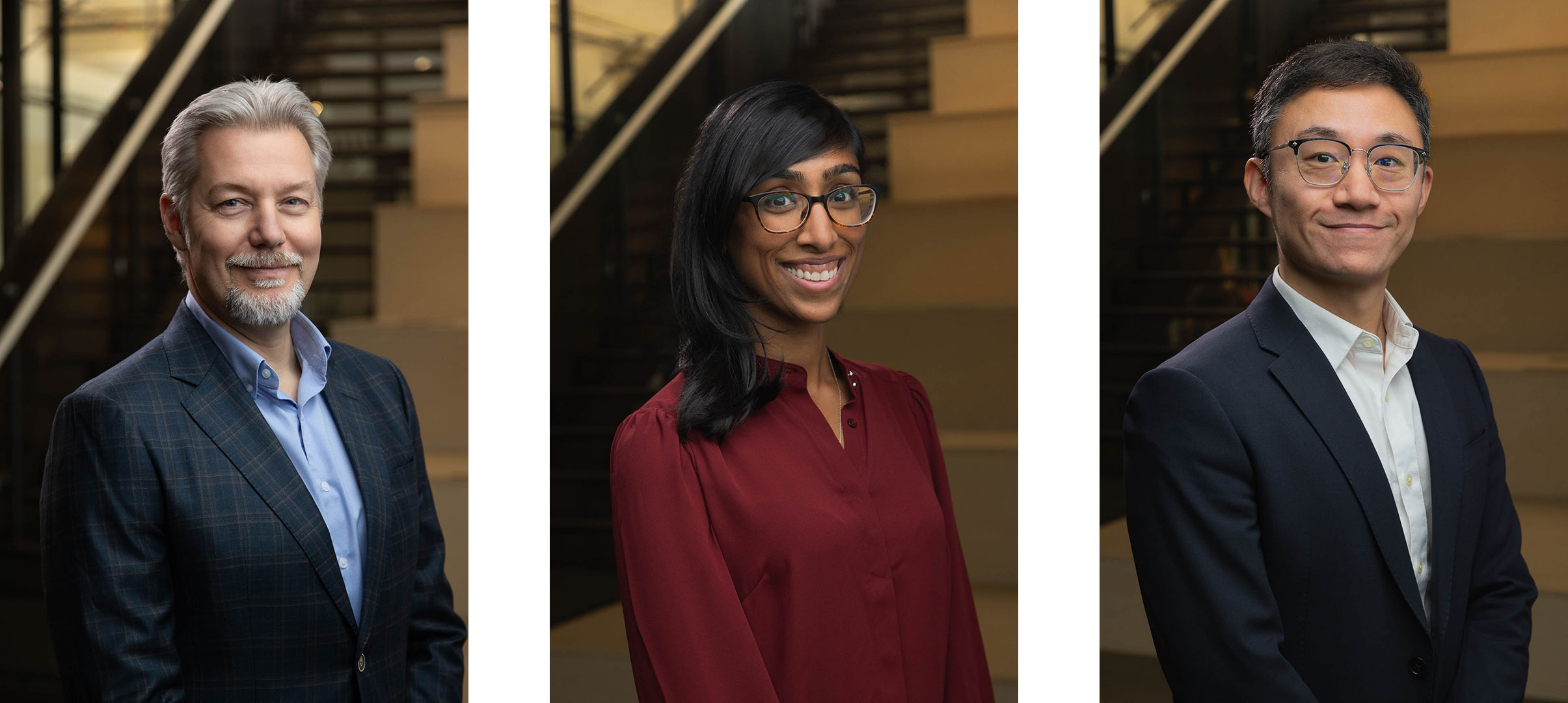
Leadership Headshot Photography Is a Coordination Challenge, Not Just a Creative One
Photographing senior leaders involves tight schedules, multiple stakeholders, and high expectations. These sessions often happen between meetings or during important organizational moments.
The real goal is not simply to create attractive images. It is to produce photographs that feel credible while ensuring the process feels controlled and predictable.
When the wrong photographer is chosen, hidden stress appears:
- Leaders feel rushed or uncomfortable
- Sessions run overtime
- Communications teams receive inconsistent imagery
- Coordinators must manage unexpected problems
Good leadership photography should reduce friction, not create it.
Understanding Leadership Psychology
Most leaders are not natural photo subjects. They are highly visible, time-compressed, and often wary of staged situations.
A skilled headshot photographer understands this dynamic and adapts quickly. They read the room, adjust their approach, and build confidence within minutes. Natural expressions rarely come from forcing poses. They emerge when leaders feel the process is professional, respectful, and efficient.
Decision signal: Ask potential photographers how they work with reluctant or extremely busy executives. Their answer will tell you more than their portfolio.
Prioritize Process Over Portfolio Style
A polished portfolio can be impressive, but it does not always reveal how a photographer actually works on a shoot day.
Executive assistants and office managers benefit from asking practical questions:
- How are sessions scheduled?
- What is the shot flow?
- How long does setup take?
- What is the turnaround time for final images?
Repeatable systems often matter more than creative flair. Organizations need consistency across departments, locations, and leadership transitions. One exceptional image is less valuable than a reliable body of usable photographs.
Working in Real Environments Builds Credibility
Leadership images are most effective when they are created in meaningful settings. Boardrooms, site visits, and team interactions help communicate authenticity and organizational context.
Photographers who can adapt to real working environments reduce logistical pressure. They require fewer artificial setups and can work efficiently within the natural rhythm of the day. This flexibility is especially important when leadership schedules shift at the last minute.
Rapport Is a Professional Skill, Not a Personality Trait
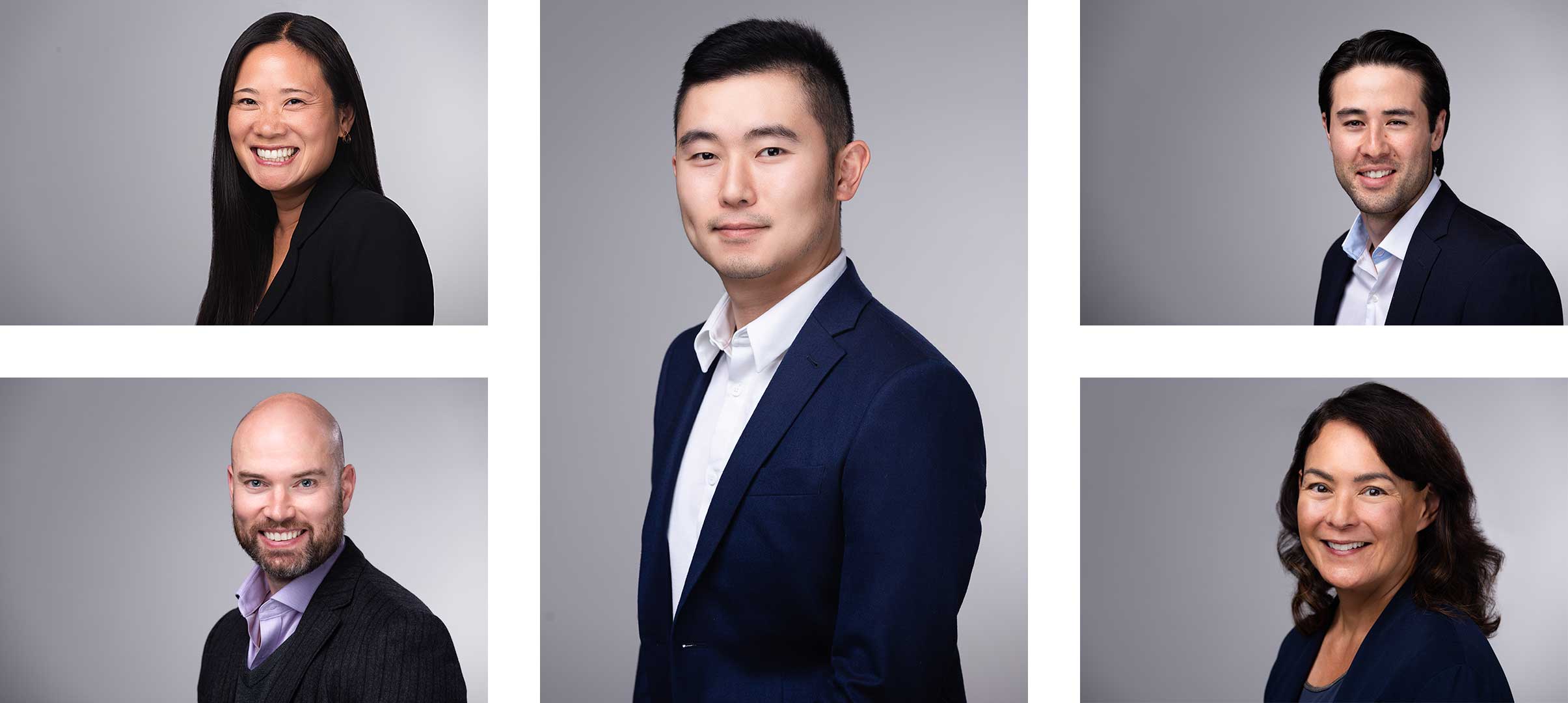
Comfortable leaders photograph better. This is not a coincidence, it is the result of intentional communication and trust-building.
Professional headshot photographers know how to establish rapport quickly through calm direction, respectful conversation, and clear expectations. This approach reduces performance anxiety and helps sessions stay efficient.
Strong portraits are often built through dignity and genuine interaction, not technical complexity. When leaders feel respected, their presence becomes more natural on camera.
Giving Direction That Feels Natural
Over-posing is one of the fastest ways to create stiff images and frustrated subjects. Leaders do not want to perform for the camera.
Instead, effective photographers guide subjects through small actions. These micro-movements produce more relaxed expressions and realistic body language.
Efficiency Is a Hidden Metric of Quality
Photography quality is often judged by final images, but coordinators know the process matters just as much.
Consider asking:
- How long does each session typically take?
- How much equipment is required?
- Can the photographer work around interruptions or schedule changes?
- Do they maintain momentum without rushing people?
Good photography supports organizational flow. It should feel integrated into the day rather than disruptive.
Think in Systems, Not One-Off Shoots
Organizations evolve. Leaders change roles, new hires join, and brand standards shift over time.
Headshot photographers who think in systems can help maintain visual consistency across years. They understand how to:
- Match previous headshot styles
- Build structured image libraries
- Support onboarding and leadership transitions
- Provide scalable coverage for future needs
This long-term perspective protects brand coherence and reduces the need to restart processes with each new shoot.
Strong Event Instincts Are a Major Advantage
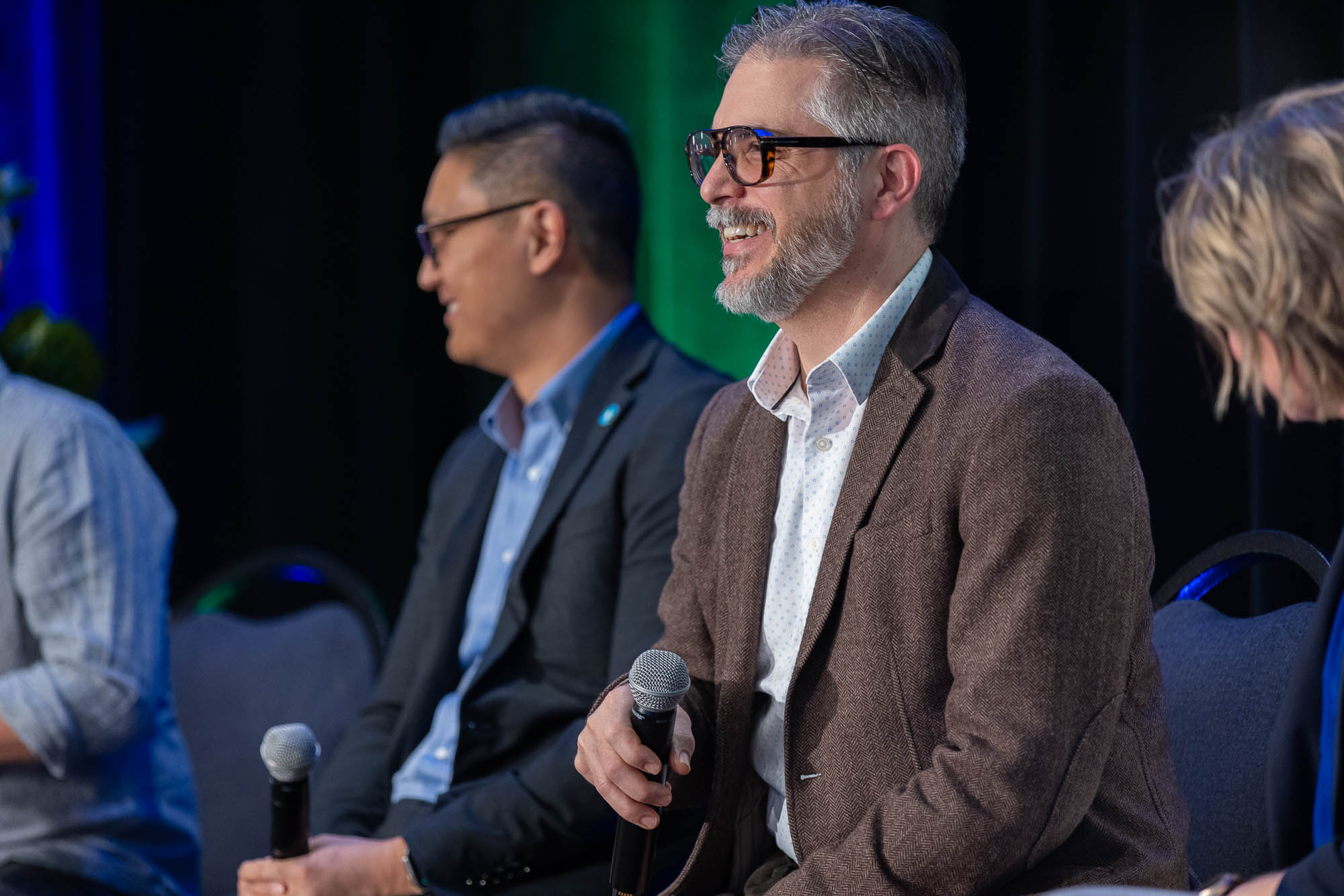
Some of the most authentic leadership images are captured outside formal portrait sessions. Conferences, internal meetings, and site visits often reveal genuine leadership behaviour.
Photographers with documentary awareness anticipate these moments. They observe interactions, decision-making, and listening — all of which communicate leadership presence more effectively than staged setups.
These natural images become valuable communications assets that reduce the need for repeat sessions.
What You’re Really Hiring
When selecting a headshot photographer for leadership imagery, you are not just hiring technical skill or creative vision.
You are hiring:
- Risk reduction
- Calm execution
- Organizational awareness
- Credibility in how leaders are represented
When leadership feels comfortable in front of the camera, it shows in the images — and in how stakeholders perceive the coordination behind them.
Capturing leadership naturally is not about removing structure. It is about choosing a photographer whose process allows authenticity to emerge.